AIM
Autonomous inspection & monitoring software
Watch the videoEnterprise Operations at Scale, Managed by One Software
Smarter Inspections, Scaled Effortlessly
AIM empowers your organization with seamless remote operations and industry-specific analytics, designed for enterprise-wide inspections.
Download Brochure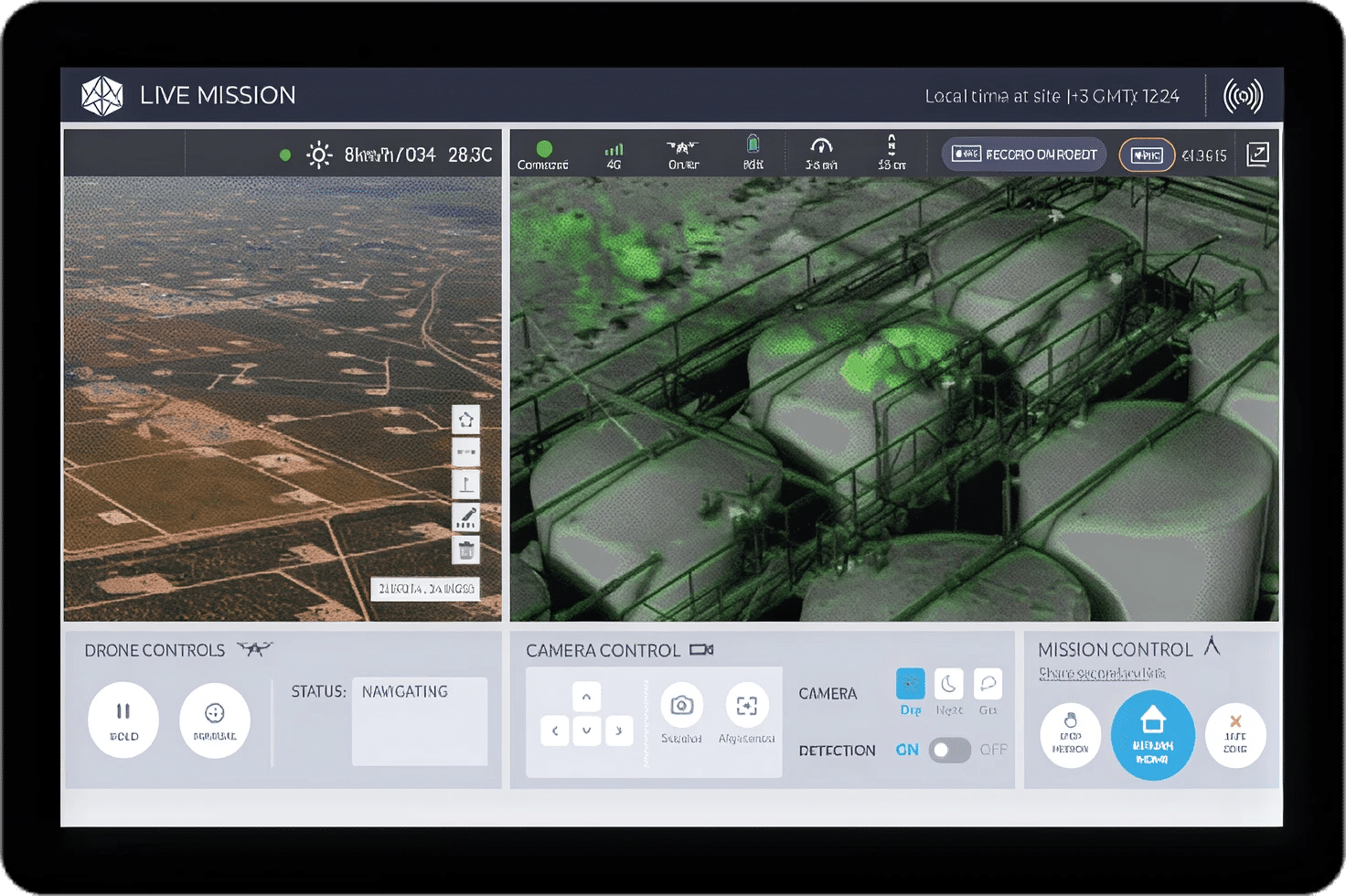
Remote Operation Interface
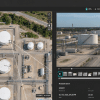
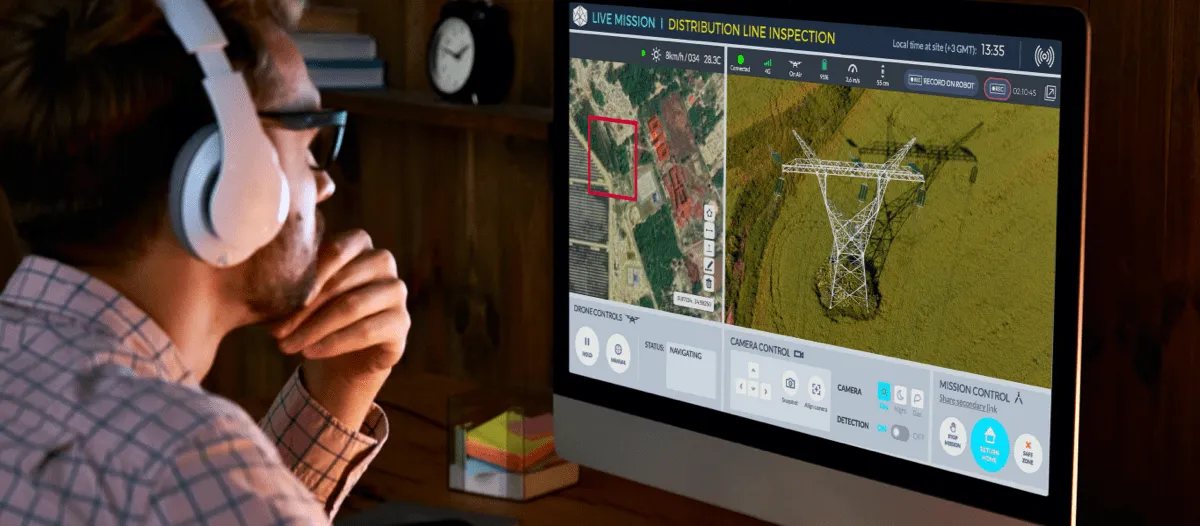
Easily manage multiple drones with seamless setup and mission planning. Data is organized and tagged on a geospatial map for quick insights.
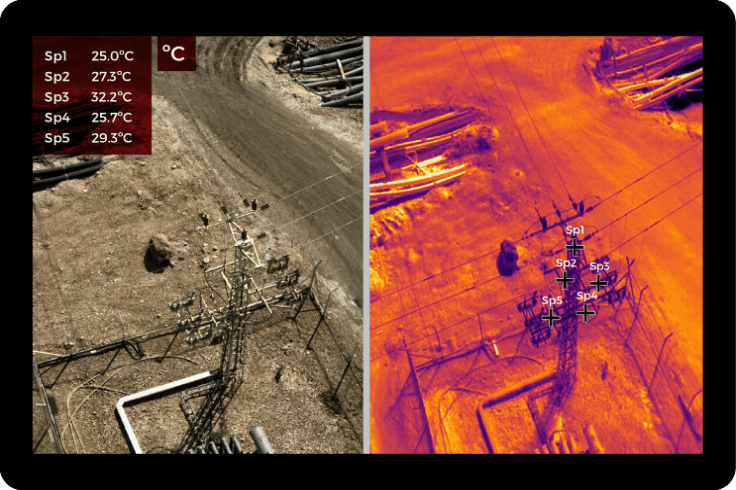
Enterprise-Grade Analytics
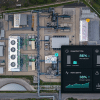
The most advanced visual data algorithms – built for your industry. AIM delivers automated, industry-specific analytics for any amount of data collected.
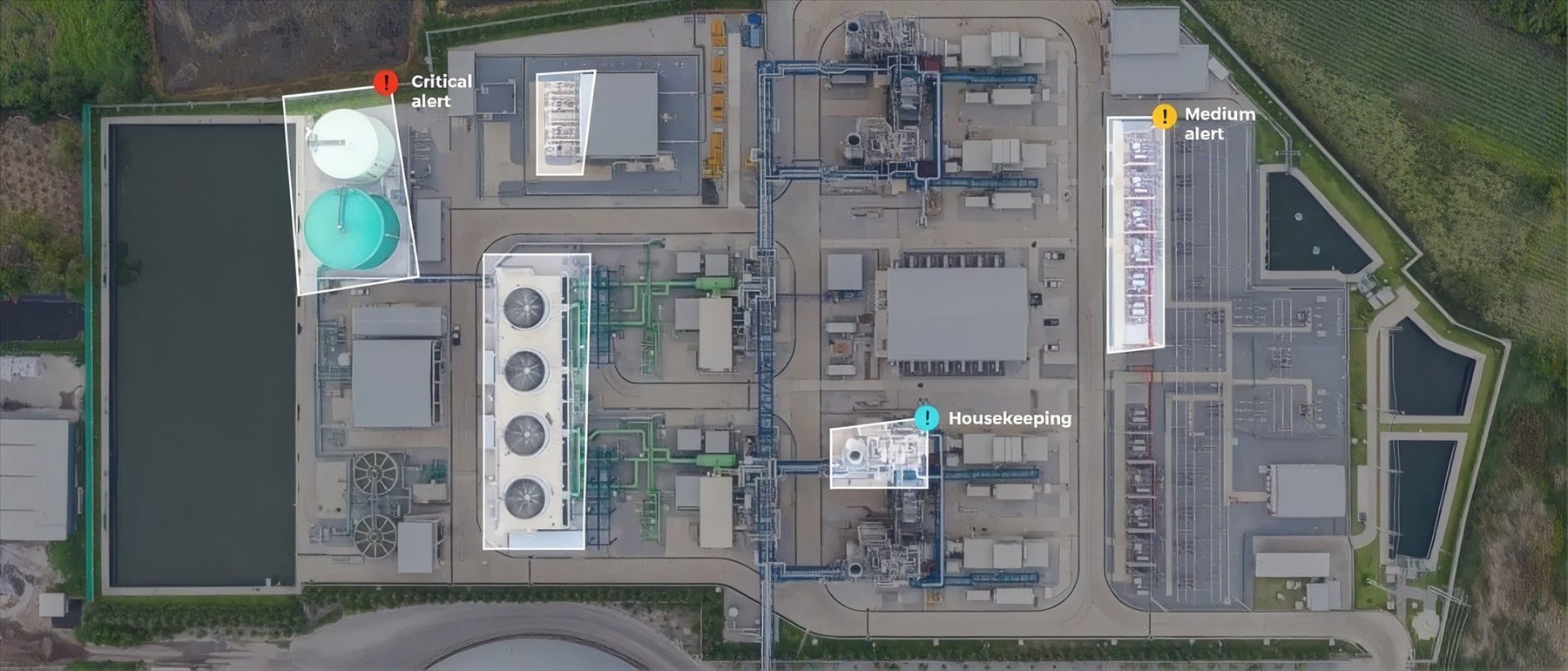
Your Operations, Mapped and Managed
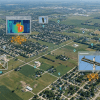
Easily locate and use critical data with geospatial mapping, ensuring your teams have what they need to drive decisions.
Automated Insights for Your Industry
Percepto AIM automatically analyzes visual data collected, detecting anomalies and generating trends and reports.
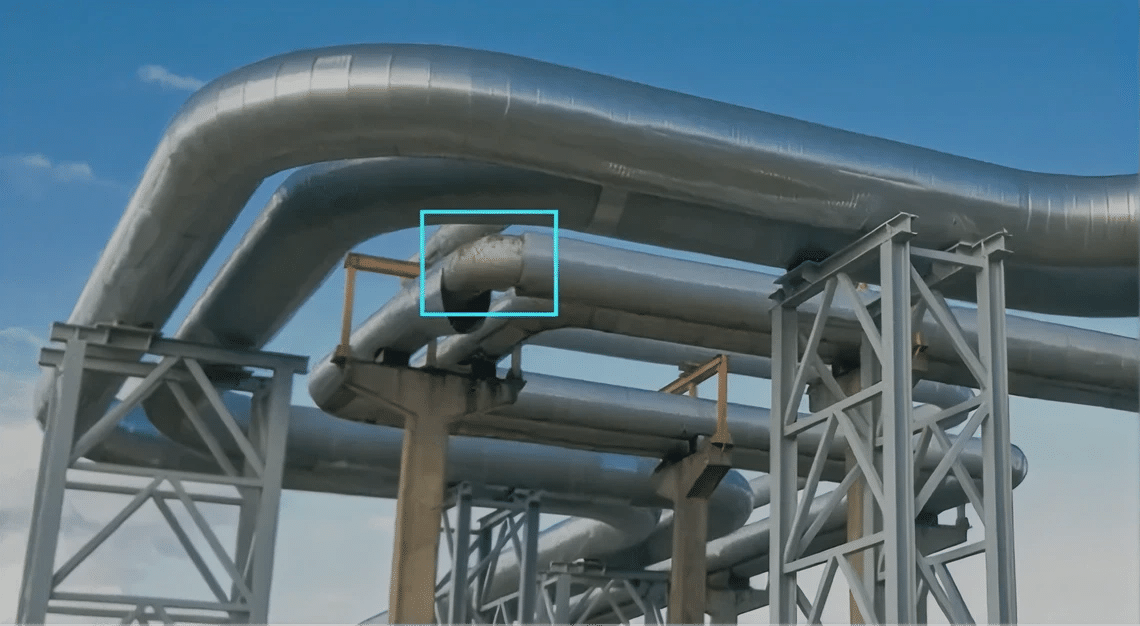
Visual inspection
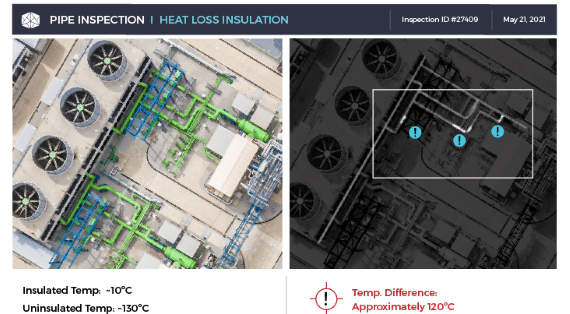
Thermal inspection
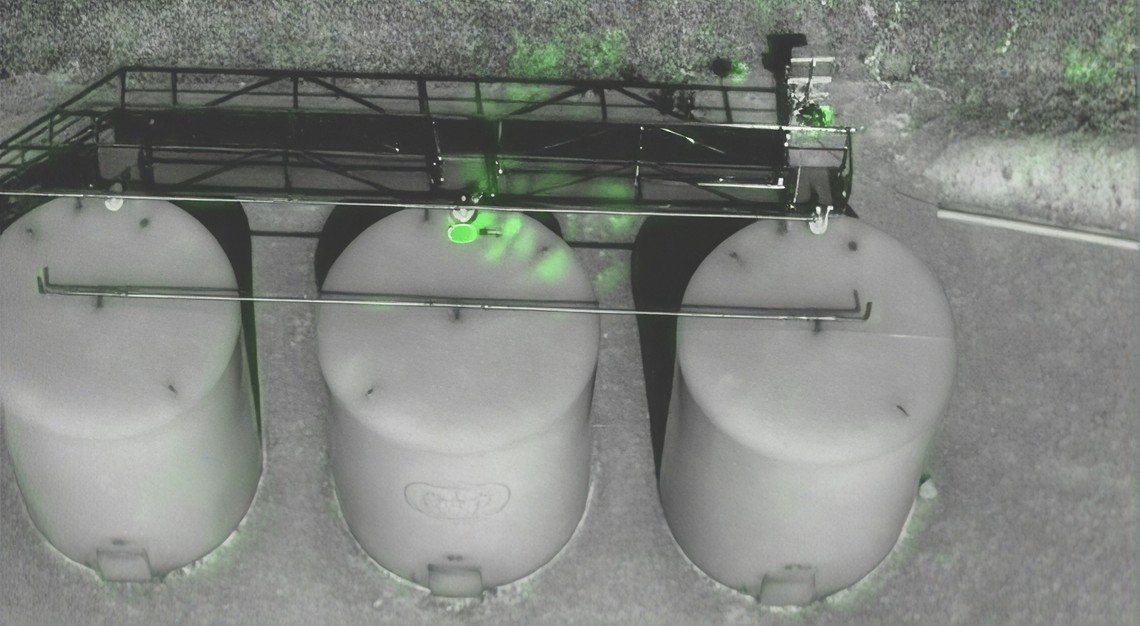
Gas detection
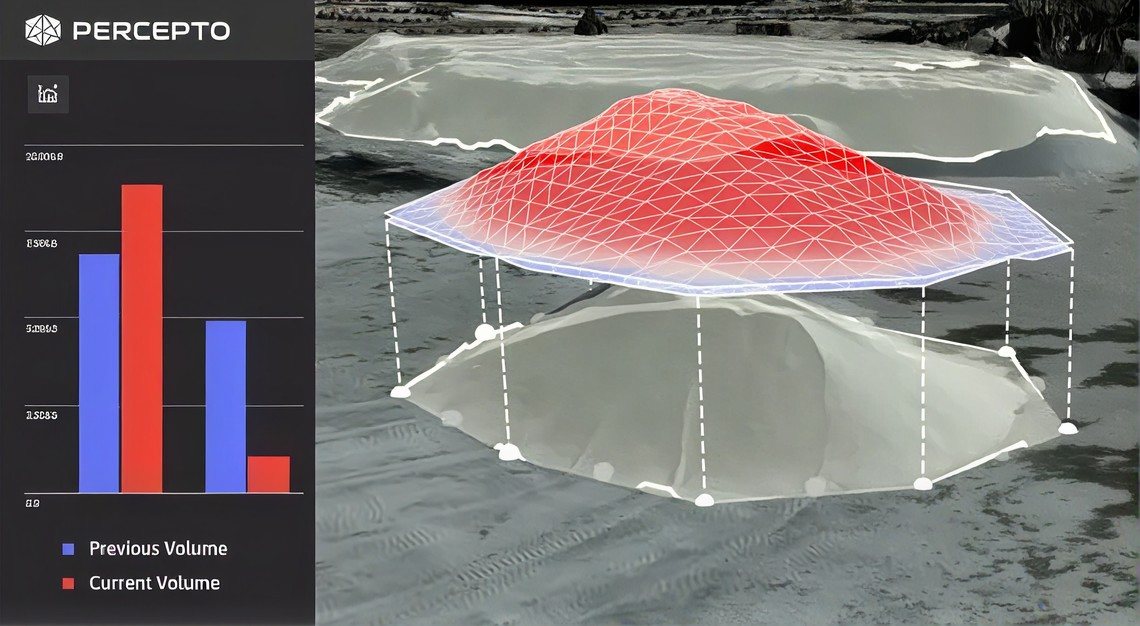
3D modeling & volumetrics
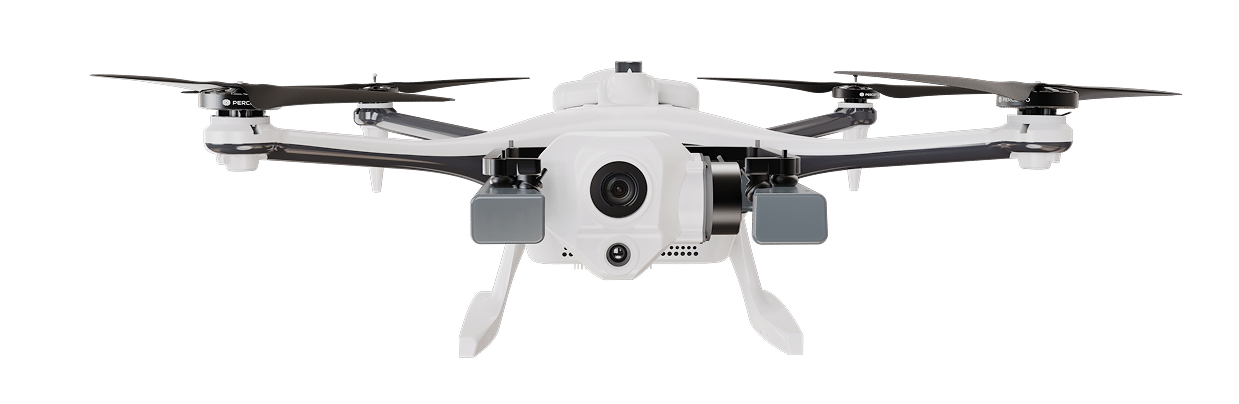
Cloud-Based, Remote Operations
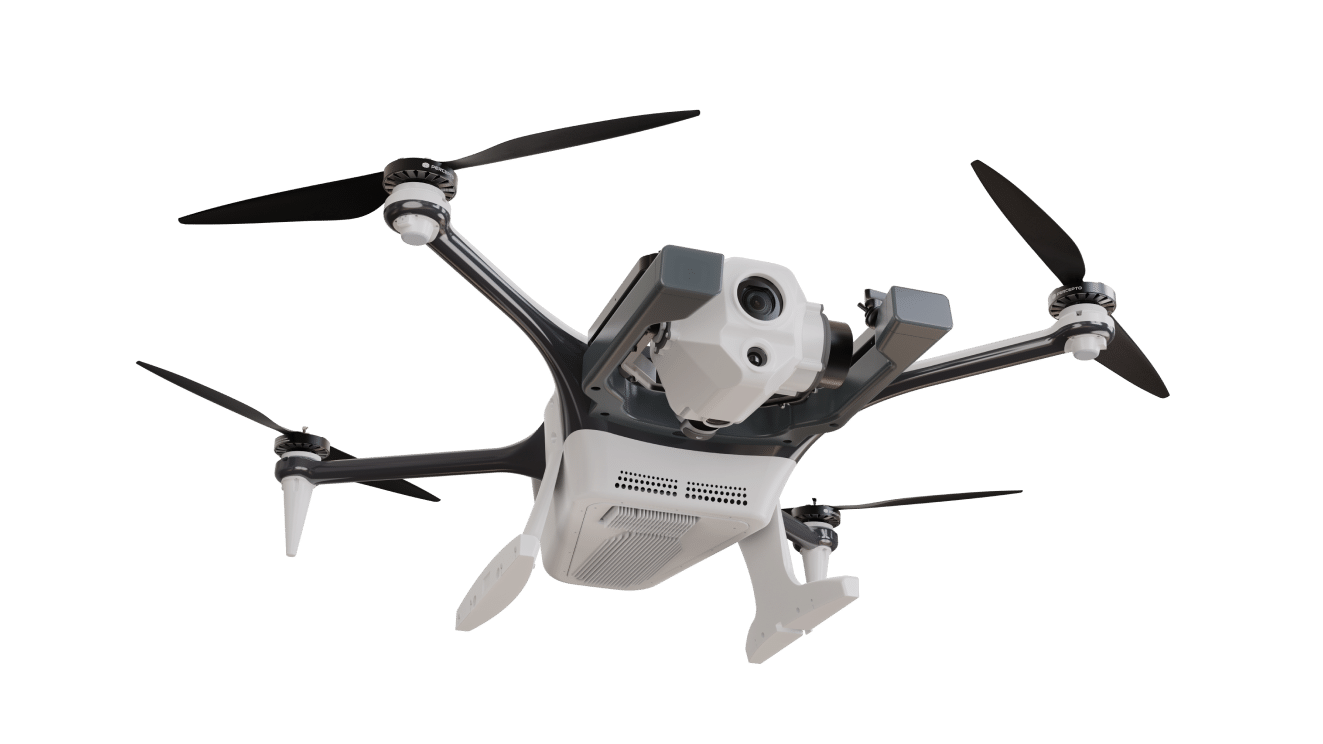
Percepto drones are fully integrated with Percepto AIM cloud-based software.
And they’re approved nationwide for BVLOS operations from day 1.
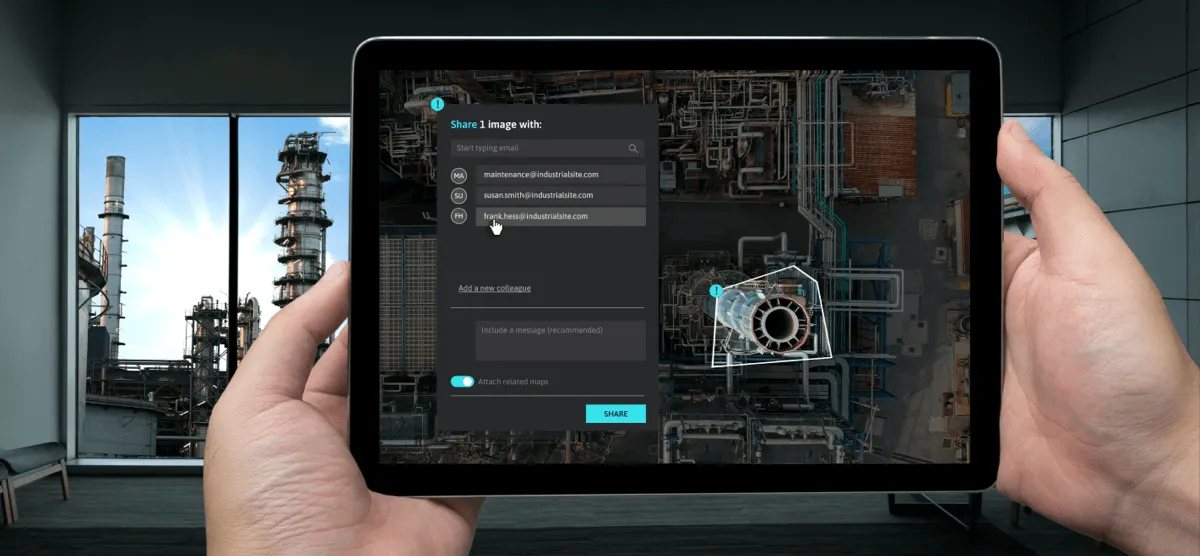
Collaborate and act on insights
Share insights directly to other stakeholders’ smartphones, removing information bottlenecks.
FAQs
Autonomous inspections for electric utilities
Artificial intelligence monitoring is the result of an AI-powered algorithm analyzing data on any process or operation. By using AI to analyze the data, the analysis is fully automated, generating insights on the process, asset, or operation being monitored.
Yes, inspections can and should be automated to boost safety and efficiency. Several sensors and technologies are used to automate inspections, and often robots and drones are used to automate visual inspections.
An automated inspection system automatically collects and analyzes data on any asset that needs inspection. An automated inspection system consists of the data collection platform (sensors, drones, robots, etc.) and the data management platform, responsible for requesting, managing, analyzing, reporting and distributing that data.
The top advantages of automating inspections are increasing safety and efficiency. Automated inspections are performed more frequently and are often higher-quality, and better equipped to catch faults before they turn into larger failures. They also significantly increase safety, reducing employee risk of performing hazardous inspections, and reducing facility overall risk by keeping assets in top shape.
There are many different types of automated inspections, often specific to the assets being inspected. Automated inspection types include laser inspections, pressure tests, flow tests. Every asset requires visual inspection to validate internal inspections and to inspect for external wear and tear.
Many companies rely on both consumer and commercial drones to perform inspections, as a cost-effective and safe alternative to manual inspections. Drones useful for inspections include piloted drones, consumer drones, fixed wing drones, tethered drones, and fully autonomous drone-in-a-box solution.
AI is used in inspection to automatically detect failures and anomalies, ignoring insignificant changes such as weather. The use of AI in inspections is a fairly new technology, and has the potential to greatly enhance inspection effectiveness and quality, reducing the cost incurred by 3rd party analysis services.
Vision inspection systems collect and analyze visual data on any asset, operation or process. Any visual data can be collected and analyzed, but typically drones or robots are used to collect data in vision inspection systems. Vision inspection systems inspect for anomalies such as structural damage, corrosion and leaks, as well as positive changes such as construction or pile inspections.
Some sophisticated algorithms can predict defects in assets, processes or operations. These algorithms rely on high quantities of repetitive visual data to detect faults and predict trends.
Automated visual inspection systems have many capabilities, including of course automating visual inspections. In addition, they are used to automate construction monitoring, pile inspections, security tasks, modeling and measurement and creating digital twins, emergency response and remote operations.